
Beginner Series Guide to Responsible Firearm Ownership Essentials
Owning a firearm comes with serious responsibilities. For beginners, understanding how to handle, store, and maintain a firearm safely is crucial. This guide covers the essentials every new firearm owner should know to ensure safety for themselves and those around them.

Understanding Firearm Safety Rules
Safety is the foundation of responsible firearm ownership. Every new owner must memorize and practice the four basic safety rules:
Treat every firearm as if it is loaded. Never assume a gun is unloaded.
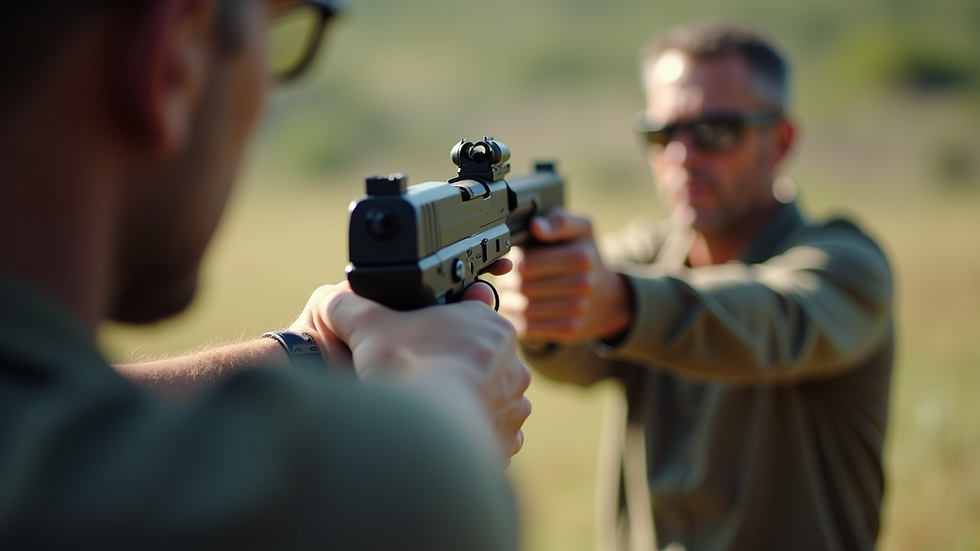
Never point the firearm at anything you do not intend to shoot. Always be aware of your muzzle direction.
Keep your finger off the trigger until ready to shoot. Rest your finger outside the trigger guard.
Be sure of your target and what is beyond it. Bullets can travel through targets and cause unintended damage.
These rules reduce the risk of accidental discharge and injury. Practicing them consistently builds safe habits.
Proper Storage and Security
Storing firearms securely protects your household and prevents unauthorized access. Consider these storage tips:
Use a locked gun safe or lockbox to store firearms when not in use.
Store ammunition separately from firearms.
Use trigger locks or cable locks as an additional safety measure.
Keep keys or combinations out of reach of children or unauthorized persons.
Proper storage prevents accidents and theft. For example, a study by the CDC found that secure storage reduces the risk of unintentional firearm injuries in children by up to 73%.
Learning to Handle Firearms Correctly
Handling a firearm requires knowledge and practice. Beginners should:
Attend a certified firearm safety course. Many local ranges and organizations offer beginner classes.
Learn how to load, unload, and clear malfunctions safely.
Practice proper grip, stance, and aiming techniques.
Understand the specific operation of your firearm model, including safety mechanisms.
Hands-on training builds confidence and competence. For instance, a new owner who practices regularly at a shooting range will develop muscle memory that helps prevent mistakes.
Legal Responsibilities and Regulations
Knowing the laws related to firearm ownership is essential. These vary by state and country but generally include:
Background checks before purchase.
Age restrictions.
Licensing or permits for carrying or owning firearms.
Restrictions on certain types of firearms or accessories.
Rules about transporting firearms safely.
Check your local government websites or consult legal experts to stay informed. Ignorance of the law can lead to serious legal consequences.

Regular Maintenance and Inspection
Keeping your firearm clean and in good working order is part of responsible ownership. Follow these maintenance tips:
Clean your firearm after every use to prevent corrosion and malfunctions.
Inspect parts regularly for wear or damage.
Use manufacturer-recommended cleaning products and tools.
Store firearms unloaded and in a dry environment to avoid rust.
Regular maintenance ensures reliability and safety. For example, a dirty firearm can misfire or jam, which can be dangerous during use.
Building a Safety Mindset
Responsible firearm ownership is more than rules and storage. It requires a mindset focused on safety and respect for the power of firearms. This includes:
Never mixing firearms with alcohol or drugs.
Communicating clearly with family members about firearm safety.
Being aware of your environment and potential risks.
Continuing education through courses and reading.
Developing this mindset helps prevent accidents and promotes a culture of safety.
Final Thoughts on Responsible Firearm Ownership
Owning a firearm is a serious commitment that demands knowledge, care, and respect. By following safety rules, securing your firearms properly, learning to handle them correctly, understanding legal responsibilities, and maintaining your equipment, you build a strong foundation for responsible ownership.


Comments