
Essential Tips for First-Time Firearm Buyers to Consider
Buying your first firearm is a significant decision that requires careful thought and preparation. Whether you want a firearm for home protection, sport shooting, or collecting, understanding what to expect and how to choose the right gun is crucial. This guide offers practical advice to help first-time buyers navigate the process confidently and responsibly.

Understand Your Purpose for Buying
Before visiting a gun store or browsing online, clarify why you want a firearm. Different uses require different types of guns:
Home defense: Look for reliable, easy-to-use handguns or shotguns.
Sport shooting: Consider rifles or pistols designed for target accuracy.
Hunting: Choose firearms suited to the game you plan to hunt.
Collecting: Focus on historical or unique models.
Knowing your purpose helps narrow down options and ensures you select a firearm that fits your needs.
Learn About Local Laws and Regulations
Firearm laws vary widely by state and locality. Before purchasing, research:
Licensing and permit requirements
Waiting periods
Background check procedures
Restrictions on certain types of firearms or magazines
Many states require buyers to complete safety courses or pass background checks. Visit official government websites or consult local law enforcement to get accurate, up-to-date information.
Choose the Right Type of Firearm
Firearms come in several categories, each with distinct features:
Handguns: Compact and easy to carry, ideal for self-defense.
Shotguns: Versatile for home defense and hunting, with a wide shot spread.
Rifles: Known for precision and range, suitable for hunting and sport shooting.
Within these categories, consider factors like caliber, size, weight, and action type (semi-automatic, bolt-action, etc.). For example, a 9mm handgun is popular for beginners due to manageable recoil and widespread availability of ammunition.
Prioritize Safety and Training
Owning a firearm carries serious responsibility. Before buying, commit to learning safe handling and storage practices:
Take a certified firearm safety course.
Practice regularly at a shooting range.
Invest in secure storage solutions like gun safes or lockboxes.
Understand how to clean and maintain your firearm.
Proper training reduces the risk of accidents and builds confidence in using your firearm effectively.
Test Firearms Before Buying
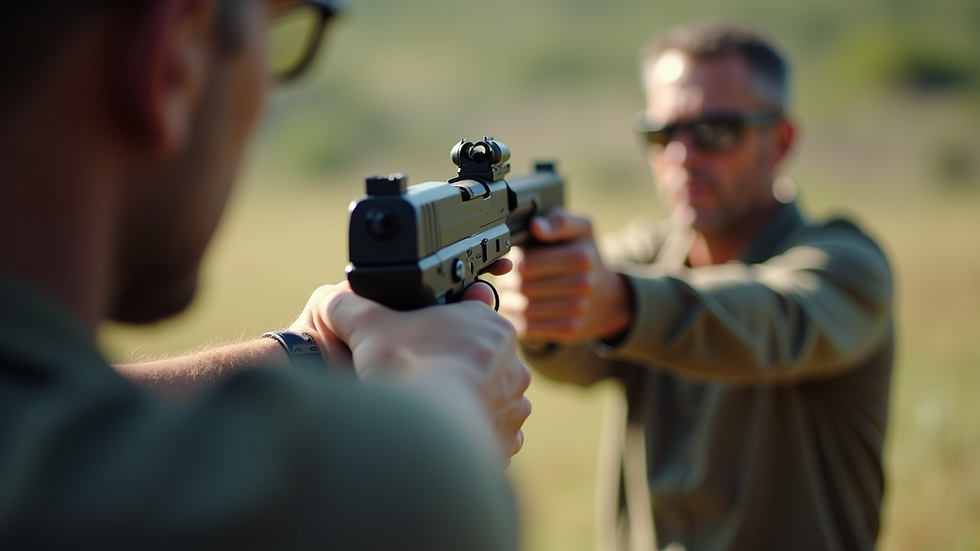
Whenever possible, try shooting different models at a range. This hands-on experience helps you evaluate:
Comfort and grip
Recoil management
Sight alignment and accuracy
Ease of operation
Many ranges offer rental firearms, allowing you to test various options without committing to a purchase. This step can prevent buyer’s remorse and ensure you select a firearm that feels right.
Budget Wisely
Firearms vary widely in price, from a few hundred to several thousand dollars. Besides the gun itself, budget for:
Ammunition
Safety gear (ear and eye protection)
Training courses
Maintenance supplies
Secure storage
Avoid rushing to buy the cheapest option. Investing in a quality firearm and proper accessories pays off in safety and reliability.
Understand the Buying Process
The purchase process typically includes:
Selecting a firearm
Completing a background check
Filling out required paperwork (such as Form 4473 in the U.S.)
Waiting for approval if applicable
Taking possession of the firearm
Some states require buyers to register their firearms or obtain permits. Knowing the steps ahead of time helps the process go smoothly.
Maintain Your Firearm Regularly
Regular cleaning and maintenance keep your firearm functioning safely and reliably. After each use:
Clean the barrel and action
Lubricate moving parts
Inspect for wear or damage
Follow the manufacturer’s instructions and use appropriate cleaning kits. Proper care extends the life of your firearm and prevents malfunctions.
Respect Responsible Ownership
Owning a firearm means respecting the law and prioritizing safety at all times. Store your firearm unloaded and locked away, especially if children or unauthorized individuals are present. Always treat every gun as if it is loaded and never point it at anything you do not intend to shoot.


Comments